
What is Ukeru?
What Is Ukeru?
Ukeru (oo-KEH-roo): an alternative to seclusion and restraints
Ukeru is a trauma-informed approach to creating safer, more supportive environments…especially when a child is overwhelmed or having a difficult time.
At the heart of Ukeru is Comfort vs. Control®.
Instead of asking: “How do we stop this behavior?”
we start by asking: “What is this child trying to communicate, and how can we help them feel safe?”
Ukeru combines this philosophy with training and hands-off safety techniques designed to reduce the need for restraint and seclusion.
Why Does This Matter for Families of Children With Autism?
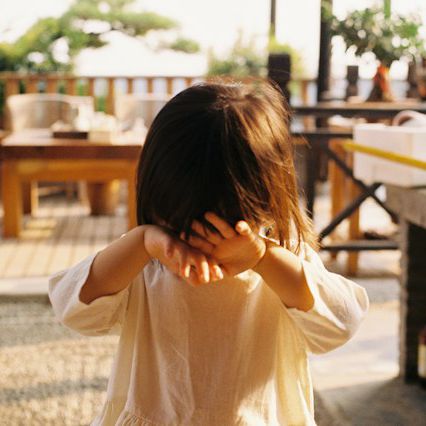
Families often become experts at recognizing the early signs that their child is becoming overwhelmed.
Maybe they cover their ears, withdraw, become agitated, refuse an activity, or have trouble communicating. For many autistic children, sensory input, changes in routine, frustration, or difficulty communicating can quickly become too much.
It can create a difficult cycle: Something feels overwhelming → communication gets harder → behavior escalates → everyone becomes more overwhelmed.
Ukeru encourages caregivers to step in earlier and ask:
“What can we change to help this child feel safe and supported?”
Behavior Can Be Communication
Sometimes children communicate through their behavior when they don’t have the words to explain that they’re scared, frustrated, overwhelmed, or uncomfortable.
That doesn’t mean there shouldn’t be boundaries or expectations. It means we can look beyond the behavior to understand what’s driving it…and then help the child develop more effective ways to communicate and cope.
This connects closely with the work we do at Eastside Social Skills, where we help children build communication, social, adaptive, and independence skills that they can use at home, at school, and in the community.
From “Control” to “Comfort”
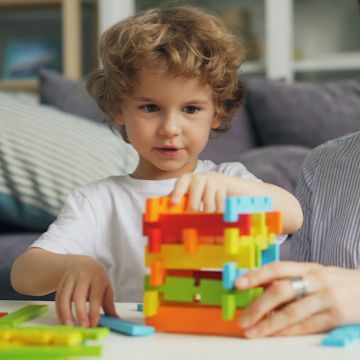
Imagine a child becoming overwhelmed in a noisy, crowded room.
Rather than waiting for things to reach a crisis, we might ask:
- Is it too loud or overstimulating?
- Does the child know what is happening next?
- Do they need a break or a quieter space?
- Is there another way they can communicate what they need?
- Are there early signs that they’re becoming overwhelmed?
These questions don’t eliminate the need for safety or boundaries. They simply change where we begin.
What Ukeru Is, and Isn’t
Ukeru is:
- A trauma-informed approach to safety and support.
- A philosophy centered on Comfort vs. Control®.
- A way of looking at behavior as communication.
- An approach designed to help prevent escalation and reduce reliance on restraint and seclusion.
- Something that can complement other educational, behavioral, and therapeutic supports.
Ukeru is not:
- An autism treatment or cure.
- A replacement for individualized therapy or educational services.
- A promise that challenging behavior will disappear.
- A one-size-fits-all approach.
Every child is different. What works best starts with understanding that child’s communication style, sensory needs, strengths, challenges, and goals.
The Family Matters, Too
Supporting a child with autism can be challenging for the whole family. Parents and caregivers need practical strategies, support, and a team that understands what they’re experiencing.
That’s why parent involvement is such an important part of the work at Eastside Social Skills. We want families to have strategies they can use outside of therapy…in the moments that matter most.
A Shared Goal: Helping Children Thrive
Ukeru and social-skills-based support approach challenging moments from different but complementary directions.
Skill-building asks: “What can we teach this child to help them communicate, cope, connect, and become more independent?“
Ukeru asks: “How can we create an environment where this child feels safe, understood, and supported?“
Together, the goal is bigger than simply managing behavior.
It’s about helping children build skills, confidence, and independence while giving families the tools and support they need along the way.
Because behind every behavior is a child…and behind every child is a family trying to understand, support, and help them grow.
Find out more about how we are using Ukeru at Eastside Social Skills
